Baseball Gear & Equipment
New Launches
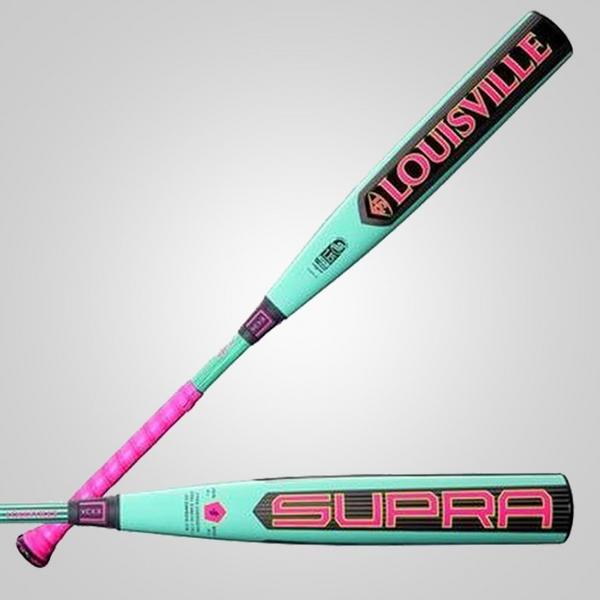
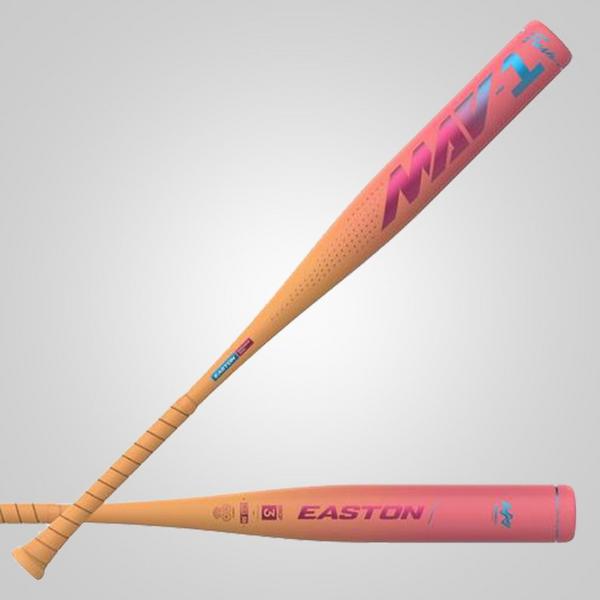


Difference Between 1 & 2-Piece Bats
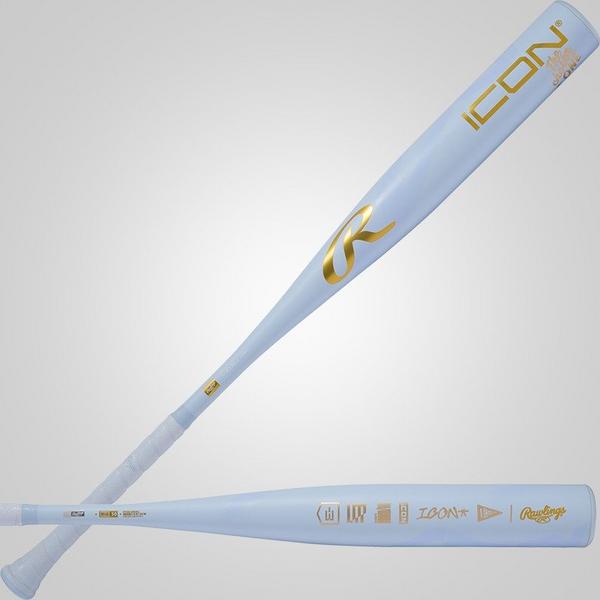
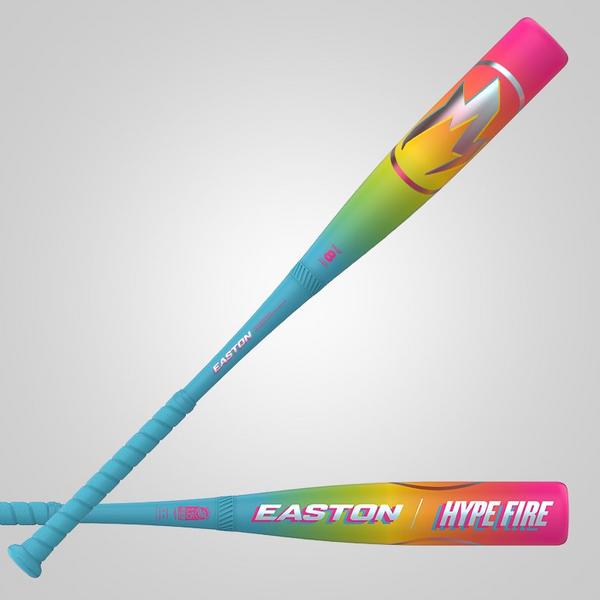
Choosing the perfect bat is a personal decision, shaped by your priorities. Factors like length, weight, and swing dynamics can directly affect performance. Meanwhile, aesthetic details such as grip styles and color schemes may hold appeal for some players. Features like knobs and end caps may also be important, offering both functional benefits and design interest. Your preferences will ultimately guide your choice. With so many aspects to consider, understanding bats is essential. Watch the video below to explore the differences between 1-Piece and 2-Piece bats.

Team Shop
Elevate your team with custom branded uniforms, team apparel and equipment needs

Rawlings Gold Glove Club
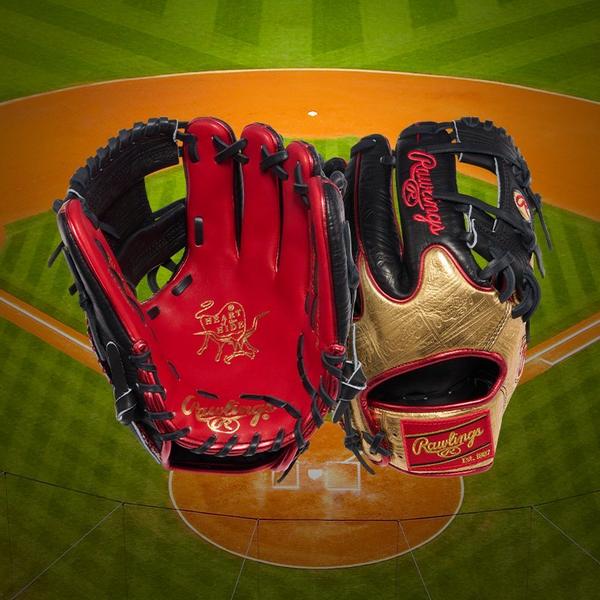
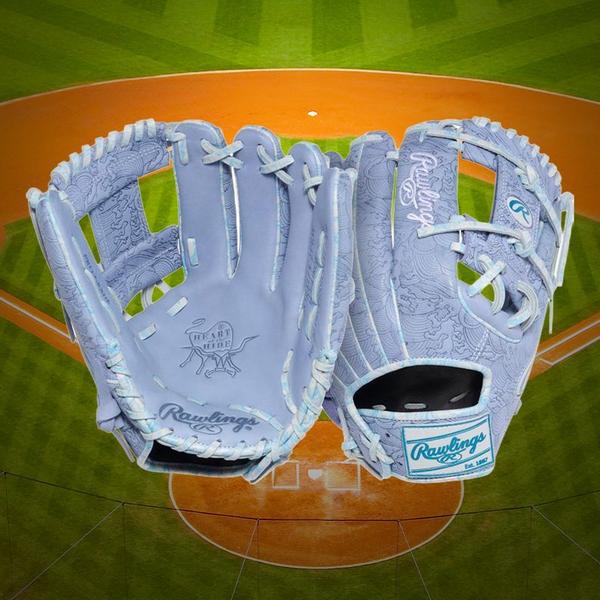
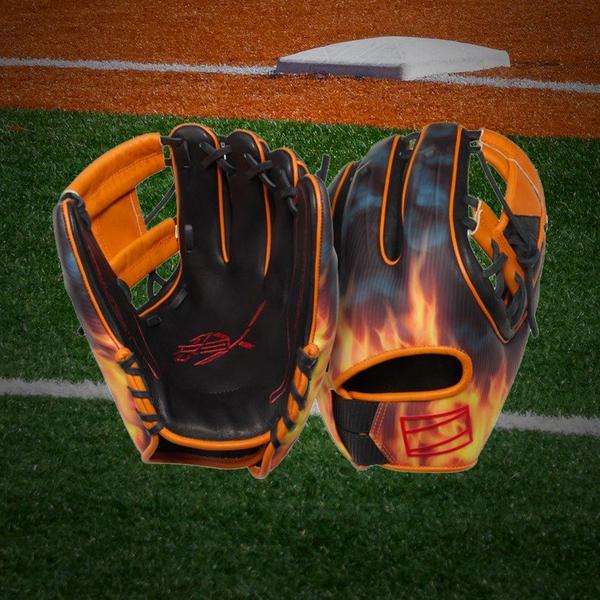
Baseball Gear
From weekend tournaments to championship seasons, our baseball shop has everything required to dominate the diamond. Whether you’re stepping up to the plate for the first time or managing an elite travel team, we stock a comprehensive range of premium gear designed for performance, comfort, and longevity.
Shop Top Baseball Categories:
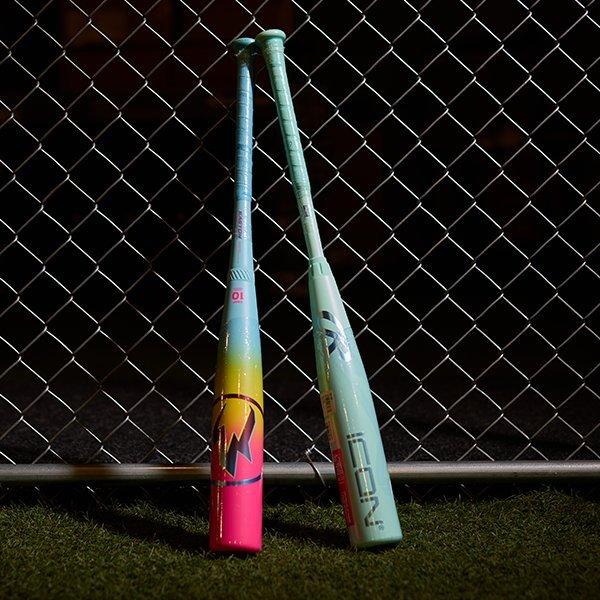
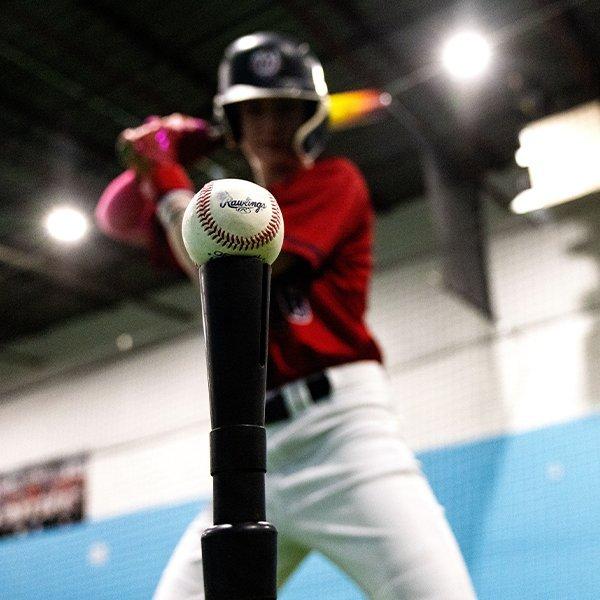
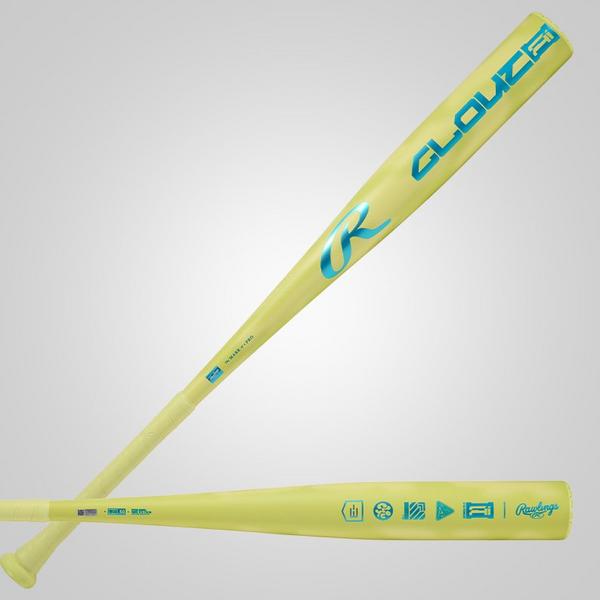
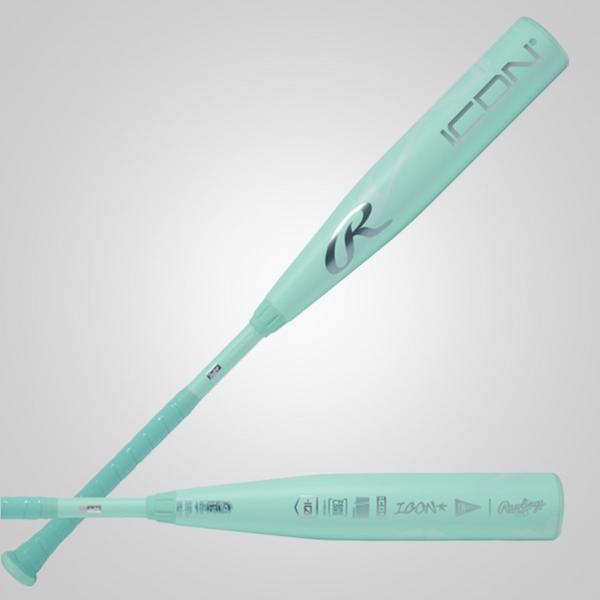
Baseball Bats: Find the perfect swing weight and barrel profile. We carry industry-leading alloy, composite, and wood bats from Louisville Slugger, DeMarini, Marucci, and Axe for power-packed hits.
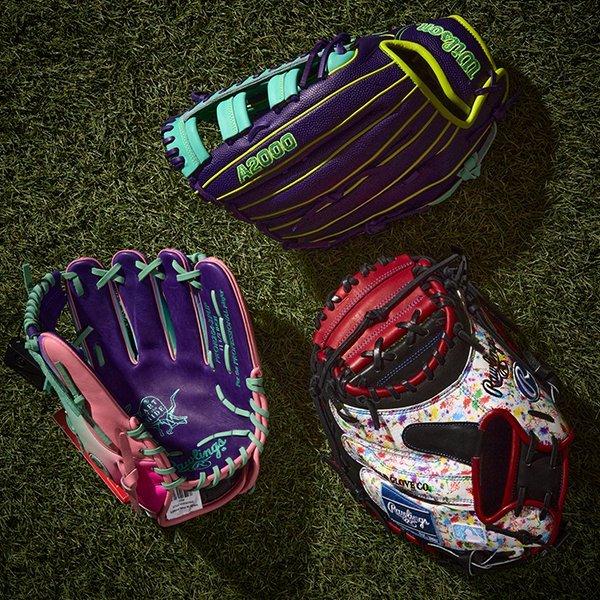
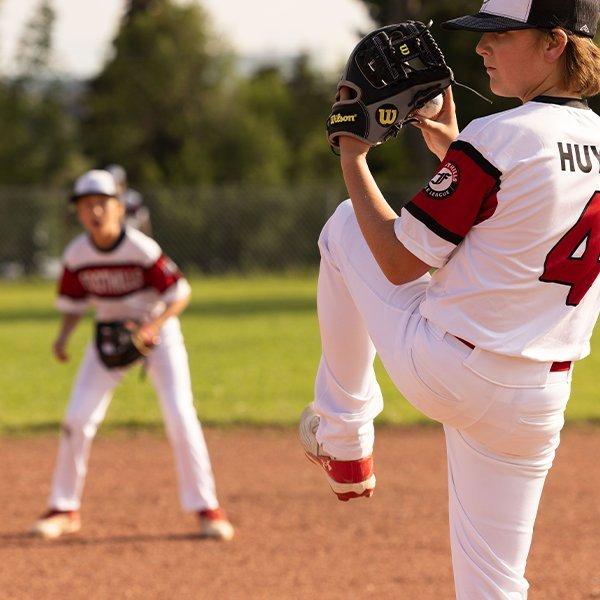
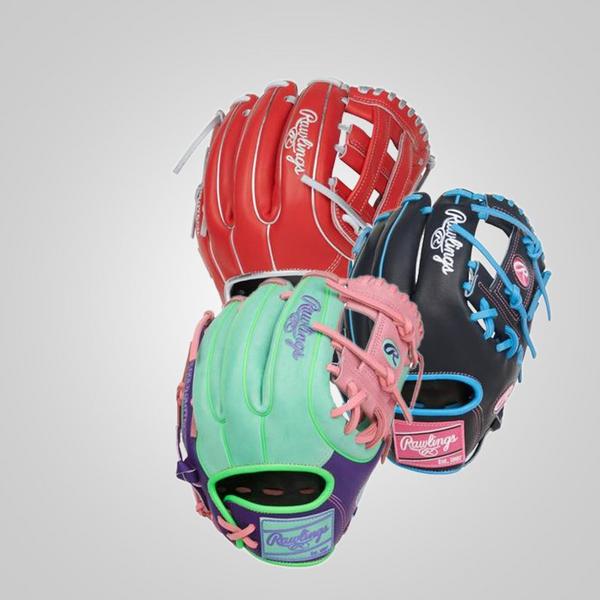
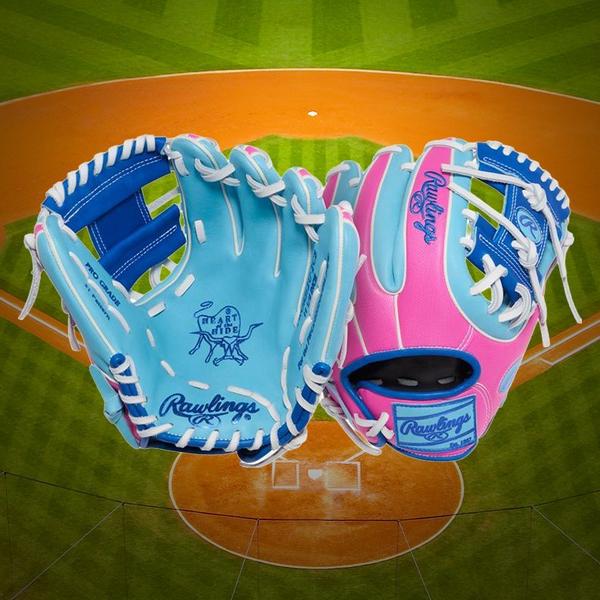
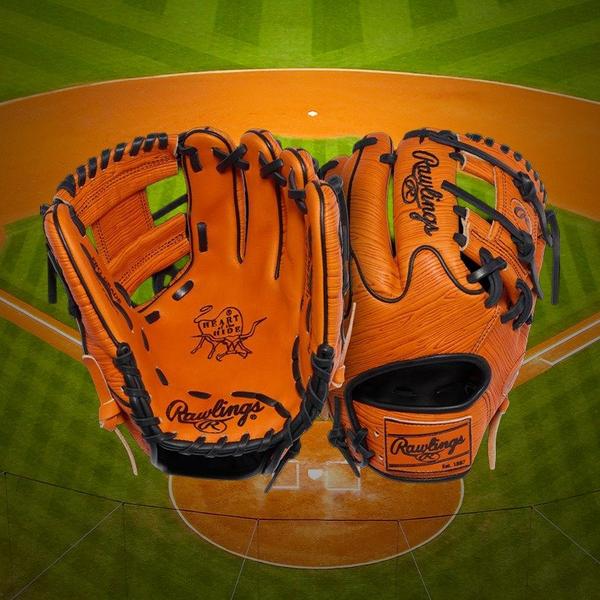
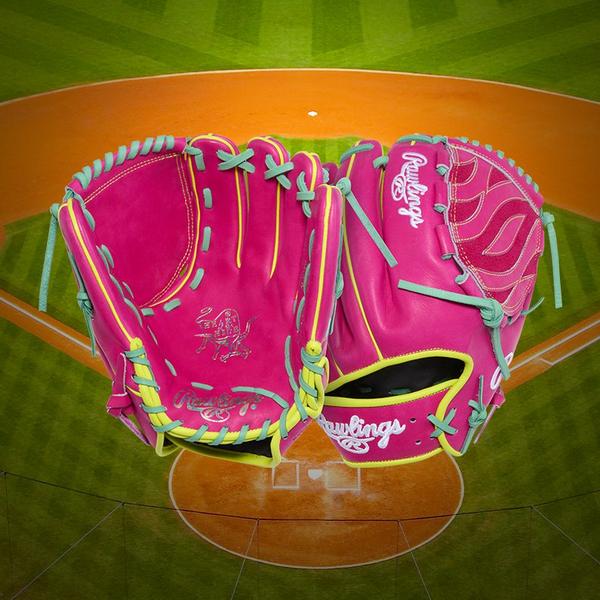
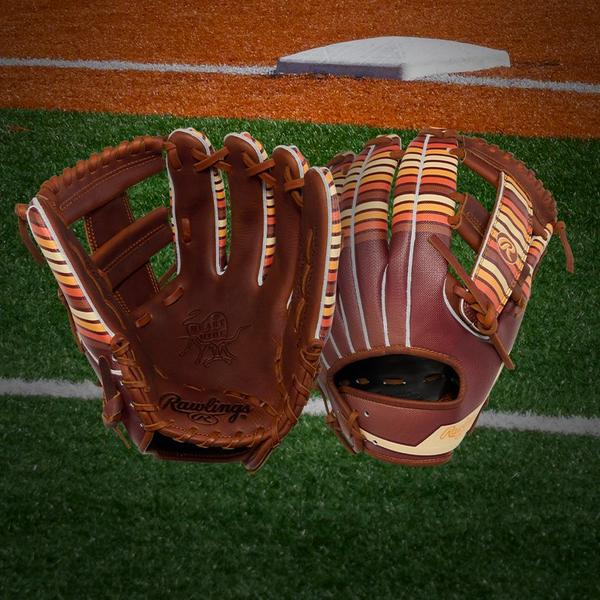
Fielding Gloves: Secure every catch with premium leather infield, outfield, and catcher's mitts from trusted brands like Rawlings and Wilson.
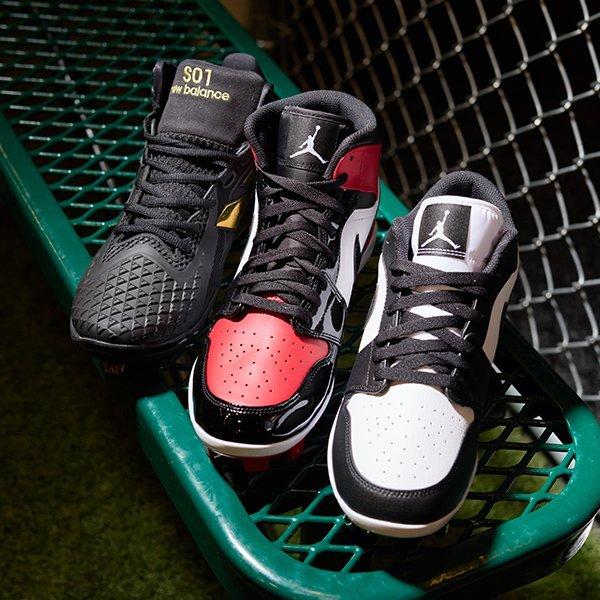
Baseball Cleats & Apparel: Look and play the part with high-performance baseball pants, jerseys, and responsive cleats from Nike and Under Armour, engineered for durability on the basepaths.
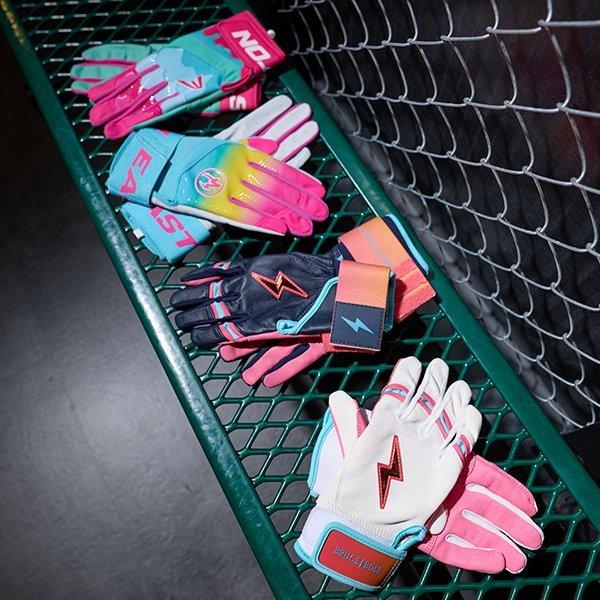
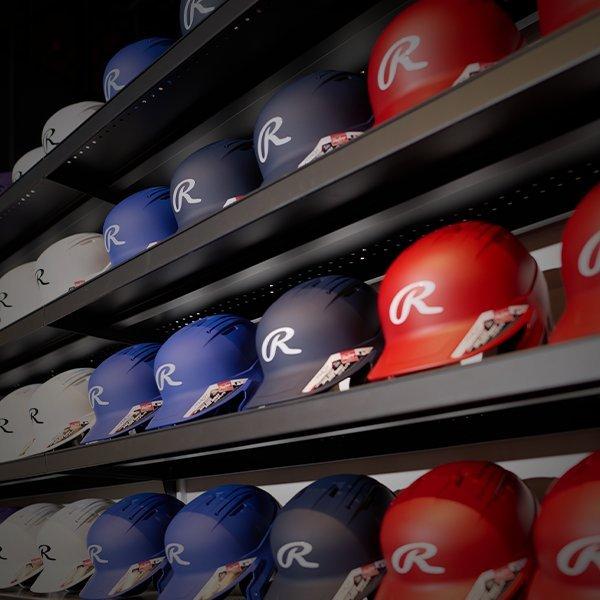
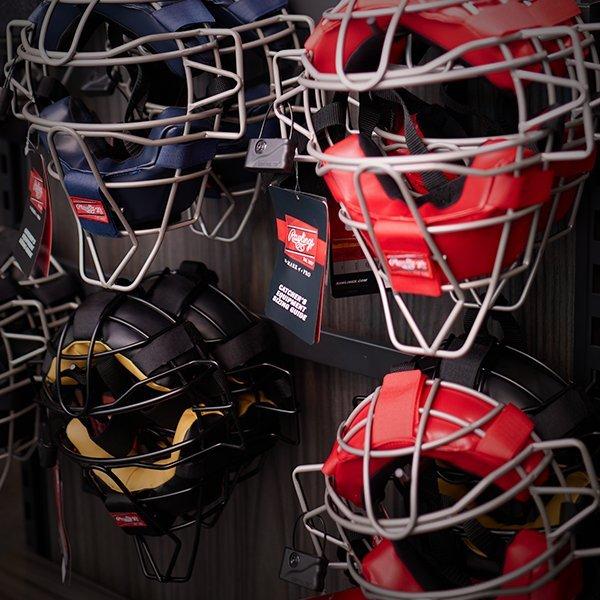
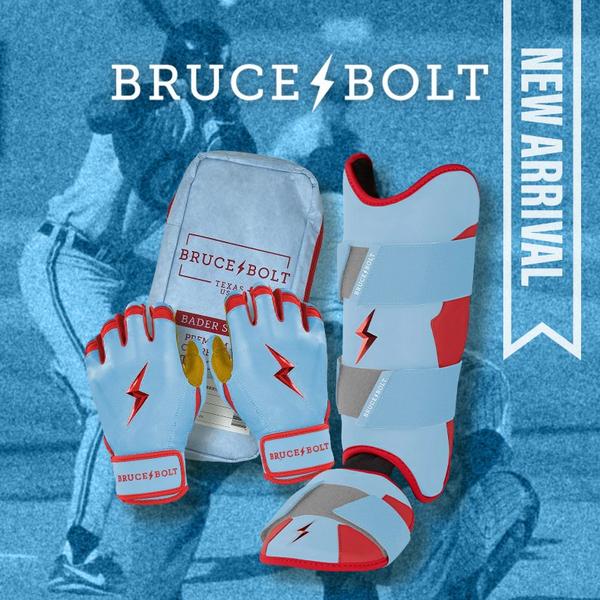
Protective Gear & Accessories: Leave no detail overlooked. Complete your kit with essential batting gloves, helmets, catcher's gear, and training equipment from Easton.
Baseball Fundamentals: Top FAQs
How many innings are in a baseball game?
A standard Major League Baseball (MLB) game consists of nine innings. Each inning is divided into two halves (the top and the bottom), giving both teams a chance to bat and play defense. If the score is tied after nine innings, the game goes into extra innings until a winner is decided. High school games and youth leagues typically play fewer innings, usually six or seven.
What is the distance between bases in baseball?
On a regulation MLB field, the distance between each base is exactly 90 feet, creating a perfect square diamond. The distance from the pitcher's mound to home plate is 60 feet, 6 inches. For younger age groups (like Little League), the base paths are scaled down and usually set to 60 feet.
What is the strike zone?
The strike zone is an invisible, three-dimensional box over home plate used by the umpire to determine if a pitch is a strike or a ball. Officially, it spans from the midpoint between the batter's shoulders and the top of their uniform pants down to the hollow beneath their kneecaps. The width of the zone corresponds strictly to the 17-inch width of home plate.
How do I measure my baseball glove size?
To find your correct glove size, take a flexible measuring tape and measure from the tip of your index finger, down along the palm, to the heel of the glove (where it meets your wrist). Most adult infielders use gloves between 11.25 and 11.75 inches for quicker ball transfers, while outfielders prefer larger gloves ranging from 12.5 to 13 inches for maximum reach.
What is the infield fly rule?
The infield fly rule is designed to prevent defensive players from intentionally dropping a pop-up to force an unfair double play. It takes effect when there are runners on first and second (or the bases are loaded) with fewer than two outs. If a batter hits a fair fly ball in the infield that a fielder can catch with "ordinary effort," the umpire calls the batter out immediately, and the base runners are no longer forced to advance.
What does a dropped third strike mean?
If a batter swings and misses at a third strike (or it's called a strike by the umpire), but the catcher drops the ball or it bounces in the dirt, the ball is still considered "in play." If first base is unoccupied (or if there are two outs), the batter can attempt to sprint to first base. The catcher must then throw the ball to first base or tag the batter before they reach the bag to officially record the out.